
The Power of Small: Acts of Care Reflect God's Love Daily
I remember a moment when a neighbor dropped off soup after a rough week. That simple act spoke volumes. I’ve learned the power of small looks like this—little things, done with love, echoing God’s care in everyday life. The power of small isn’t flashy; it’s faithful. It travels through our days in tiny, steady gestures that remind us we’re part of something bigger than our plans.
Let me tell you a little secret: when we choose to care for someone else, we’re choosing to participate in God’s ongoing work of renewal. The power of small is not about grand gestures; it’s about showing up, again and again, with a listening heart and a willing hand. You and I can change a life—beginning with the simple, ordinary acts that prove love is real and present in our streets, kitchens, and living rooms.
Table of Contents
- What is the power of small?
- Small acts reflect God’s love in daily life
- Practical steps to practice small care
- Biblical foundation and context
- Cultivating a culture of care at home and in community
- Key takeaways
- Frequently Asked Questions
What is the power of small?
We all long to make a difference. The power of small is the steady, reliable thread that stitches care into the fabric of daily life. It’s the quick note left on a kitchen counter, the check-in call that arrives just when someone needs it, the bag of groceries left on the doorstep, the listening ear that holds space for a broken day. In those moments, we’re reflecting God’s care in tangible ways. The power of small reminds us that big change often starts with a simple choice to show up with gentleness and patience.
Small kindnesses compound
Think of a single act as a seed. Planted today, it grows into a pattern of generosity that others imitate. The power of small isn’t a magic trick; it’s a reliable practice of love that leaves a quiet, lasting imprint. When we choose to listen before speaking, to serve before demanding attention, to forgive before retaliation, we open space for God to move in someone’s heart—and in our own.
Small acts reflect God’s love in daily life
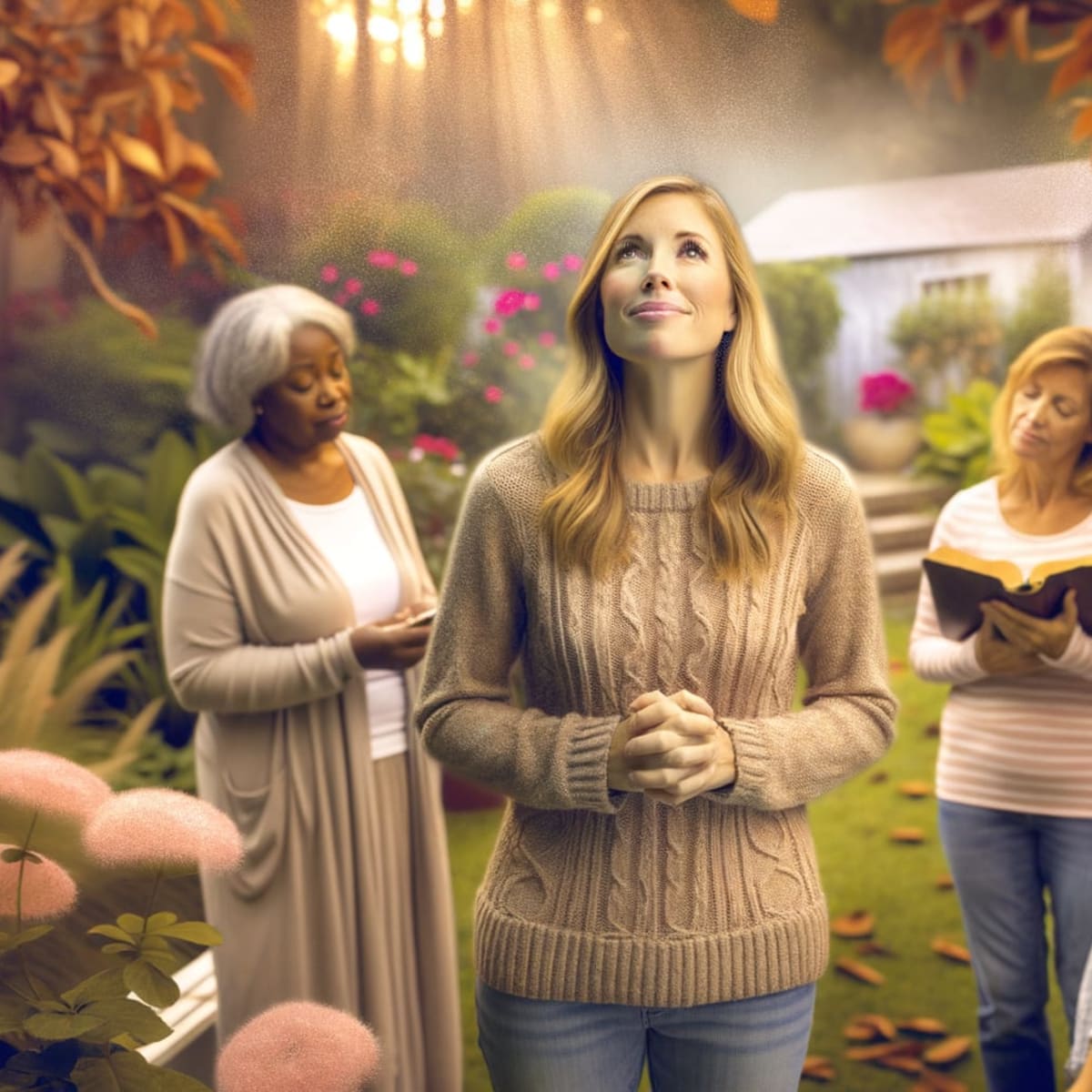
Everyday acts of care are opportunities for the light of Christ to shine through us. The power of small becomes an invitation—an invitation to neighbors, coworkers, family, and friends to glimpse the warmth of God’s presence. I’ve seen this in neighbors who shovel a sidewalk after a storm, in a friend who sends a short text just to say I’m praying for you, and in a family member who drops by with fresh bread after a long day. These moments say: you matter. God cares. And we are in this life together.
When we reflect the love of God in ordinary things, we do more than comfort a moment; we anchor hope in a world that often feels unsettled. The power of small acts of care is contagious. One small gesture can spark a wave of kindness that travels beyond the initial moment and into weeks, months, and even years of shared life.
Love in the everyday
Love isn’t reserved for special occasions. It shows up when the house is messy, when time is short, when we’re tired, and when we feel unseen. The power of small shines brightest in those ordinary hours—over mugs of coffee, at the kitchen sink, in a text that says, I’m glad you’re here. We don’t need permission to begin. We simply begin, asking the Holy Spirit to guide our hands, our words, and our listening.
Practical steps to practice small care
Here are concrete, doable ways to live out the power of small in your daily life. These aren’t grand schemes; they’re simple rhythms you can weave into your week.
- Send a short note or voice memo to someone who’s carrying a heavy load. A five-minute message can be a lifeline.
- Offer practical help in small but meaningful ways—meal trains, car rides, or child-care swaps with a neighbor.
- Check in with a friend or family member who’s been quiet lately. Sometimes people fade from view because no one notices their struggle.
- Pause before reacting. A calm response can turn tension into connection and invite reconciliation.
- Pray with intention for someone you care about. Even a short, specific prayer changes the dynamic of a relationship.
- Look for ways to serve in your local community—a small act at church, a volunteer shift, or helping a neighbor in need.
- Practice gratitude aloud. Naming what you’re grateful for invites God’s presence into the moment and invites others to do the same.
Each of these steps reinforces the truth that the power of small is practical, relational, and deeply rooted in God’s love. When we choose to act with kindness, we mirror the character of Jesus and invite others to experience what we know to be true—that God is near in the everyday.
Biblical foundation and context
Scripture reminds us that small acts of care have eternal weight. Be kind and compassionate to one another, forgiving one another, just as God also forgave you in Christ. This simple command captures the essence of how the power of small functions within a community of faith. When we live with kindness and mercy, we reflect the nature of Christ in ways that invite trust, healing, and renewal.
Context matters. The early church thrived not on loud sermons alone but on everyday acts of love that bound believers together. When we choose to love our neighbor well, we participate in God’s larger story of redemption. The power of small becomes a bridge that connects us to God and to each other.
Some readers ask how to know if a small act matters. The answer is simple: if it honors God and blesses another person, it matters. The Holy Spirit helps us discern where our little contributions will bear the most fruit, sometimes in quiet, almost invisible ways. And that is enough to keep moving forward with faith and courage.
Cultivating a culture of care at home and in community
If you lead in a family, workplace, or faith community, you have a unique opportunity to model care as a way of life. The power of small flourishes when we create spaces where people feel seen, heard, and loved. It begins with listening more than talking, serving before being served, and choosing to see the good in others even when it’s hard.
Consider these culture-building practices:
- Create small rituals that say you belong here—a weekly family check-in, a monthly neighbor-on-the-porch gathering, or a shared meal that invites conversations about how God is showing up in daily life.
- Highlight acts of care in your group. Celebrate the quiet, steady kindnesses that often go unseen.
- Invite vulnerability. When people share their struggles, respond with warmth, not judgment. This is where healing begins.
- Build a calendar of service opportunities. Even one hour a month can become a meaningful habit that shapes a community.
As we lean into a culture of care, the power of small becomes contagious. It teaches others that faith is practical, accessible, and deeply personal. And it reminds us that transformation starts at the kitchen table, the front porch, and the coffee shop where we listen well and love bravely.
Key takeaways
- The power of small is a consistent, faithful practice of care that echoes God’s love in everyday life.
- Small acts ripple outward, shaping communities and inviting renewal for individuals and families.
- Biblical foundations anchor these acts in kindness, compassion, and forgiveness in Christ.
- Practical steps—listening, serving, encouraging, and praying for others—are accessible to anyone.
So begin with one small step today. A note. A call. A shared meal. And watch how God meets you in the ordinary moments, turning them into opportunities to reflect His love.
Frequently Asked Questions
Would you like a quick, practical guide you can return to? Here are a few FAQs that often come up as we practice the power of small.
Q: What counts as a small act of care?
A: Anything done with love and attention to someone else’s needs. A listening ear, a helpful gesture, a prayer, a note, or a shared moment—these all qualify as small acts of care when they reflect God’s heart.
Q: How can small acts of care fit into a busy season?
A: Start with one tiny thing you can do this week. Consistency beats intensity. Over time, small acts accumulate into meaningful rhythms that sustain you and others.
Q: Can small acts lead to bigger impact?
A: Yes. The power of small compounds. A neighbor’s smile can turn into a friendship; a simple meal can open doors to deeper conversation about faith and hope.
Q: How do we prevent burnout when serving others?
A: Protect your own pace. Set healthy boundaries, rest in God, and invite others to join you. Caring for yourself is part of caring for others.