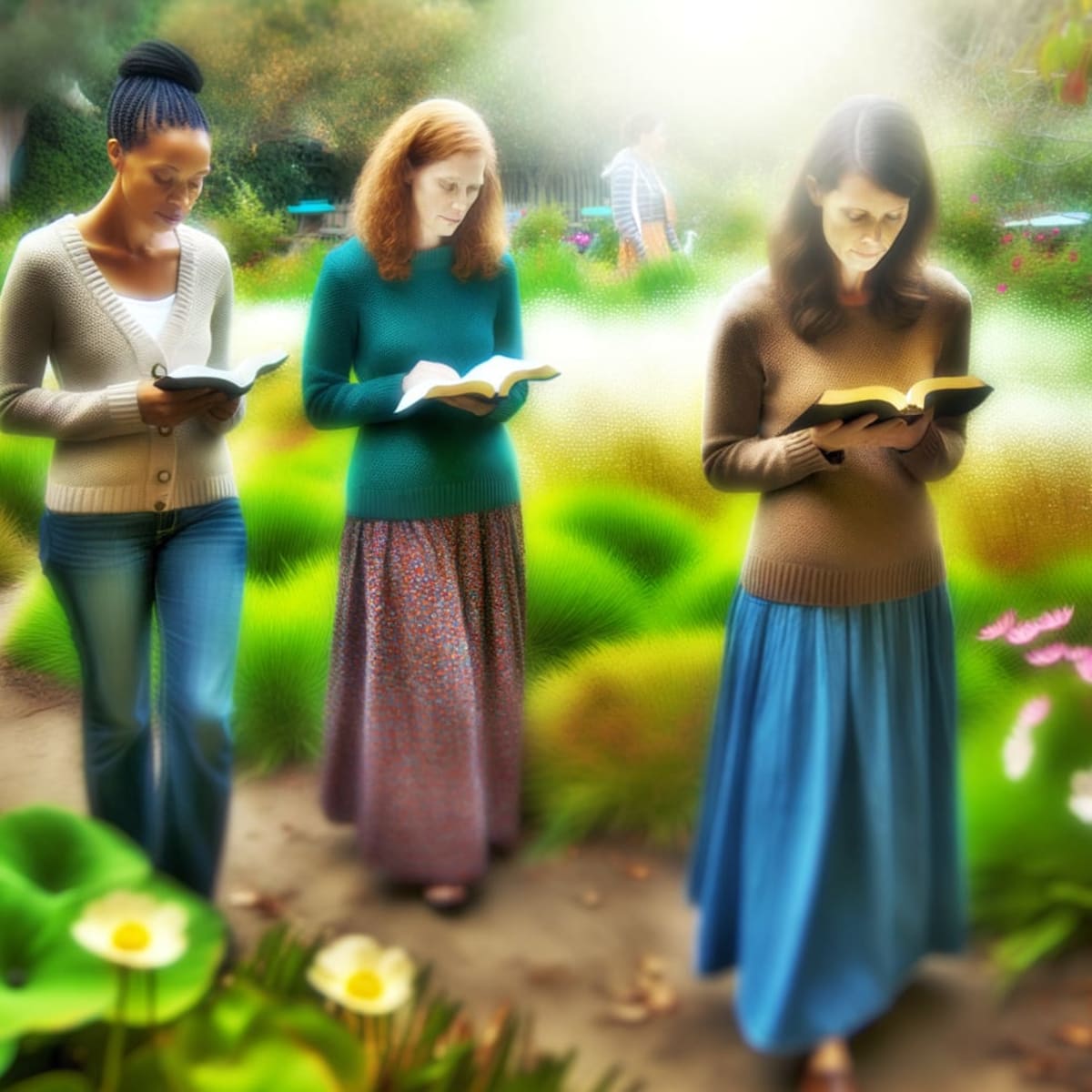

Safe Space for Testimonies: Creating a Place for Stories
Can I tell you something, friends? A safe space for testimonies does not happen just because we call it one. A safe space for testimonies is built slowly, with love, wisdom, confidentiality, prayer, and a willingness to honor the story God is still writing in someone’s life.
This is for the woman who leads a Bible study, hosts women in her home, serves in ministry, mentors younger women, or simply wants her friendships to become more honest and healing. We are going to talk about how to create a room where women can share without being judged, fixed, rushed, or exposed later.
Why a Safe Space for Testimonies Matters
I remember sitting in a room with women and feeling the air shift when one brave person decided to tell the truth. Her voice shook a little. Her hands were folded tight in her lap. And then, when she realized no one was going to gasp, correct her, or look away, her shoulders dropped.
Hand to heart, ladies, I have seen that moment over and over through ministry, conferences, podcast conversations, and one-on-one coffee talks. A safe space for testimonies lets women breathe again. It tells them, your story is welcome here, and you are not too much for us.
Here’s the thing. Many women have learned to hide. They hide because they have been talked about before. They hide because church hurt made them wonder if honesty was dangerous. They hide because shame whispers, if they really knew you, they would leave.
A safe space for testimonies helps break that lie. It does not mean everyone shares every detail with every person. Wisdom still matters. But it does mean we create places where truth can come into the light with care.
If you are learning how to be that kind of safe person, you may also appreciate this encouragement on the power of supportive community. We really do need each other when we are trying to hear God and heal.
The Biblical Heart of Holding Stories Well
A safe space for testimonies is not a trendy idea. It is deeply connected to the way Scripture calls us to live as the body of Christ. Romans 12:15 says, “Rejoice with those who rejoice; weep with those who weep” (CSB).
That verse is simple, but it is not shallow. It teaches us how to respond when someone brings joy, grief, regret, healing, or hope into the room. We do not make the moment about ourselves. We enter it with them.
James 5:16 also says, “Therefore, confess your sins to one another and pray for one another, so that you may be healed” (CSB). I love that healing is connected to honest confession and prayerful community. God can heal in private, absolutely. But He also uses safe, loving people to remind us we are not alone.
My friend, a safe space for testimonies should reflect the heart of Jesus. He did not crush bruised reeds. He did not shame the woman at the well. He told the truth, yes, but He did it in a way that invited freedom.
So when we build a safe space for testimonies, we are practicing the kind of love that listens, protects, prays, and makes room for God to move. Not performance. Not polished church talk. Real women. Real stories. Real grace.
Ground Rules That Protect a Safe Space for Testimonies
Now let’s make this practical, because good intentions are not enough. A safe space for testimonies needs clear guardrails. Not to control people, but to care for people.
Say what kind of space this is before anyone shares
People relax when expectations are clear. Before testimony time starts, say it plainly. This is a safe space for testimonies. We do not gossip. We do not compare pain. We do not pressure anyone to share. We listen to understand.
Short. Clear. Kind. You do not need a long speech. But you do need to set the tone before tender things are spoken.
Make confidentiality real and specific
Confidentiality is the floor. It is the beginning of trust. And sometimes we need to explain what it means in real life.
You can say, what is shared here stays here. Then add something like, please do not go home and tell someone, you will never believe what was shared tonight, even if you leave out the name. Because let me tell you, details travel fast when we are not careful.
A safe space for testimonies protects the woman after she leaves the room too. Her courage should not become someone else’s conversation.
Do not allow fixing, teaching, or correcting after someone shares
How many of you have shared something vulnerable and immediately received advice you did not ask for? Whew. It can shut a heart down so quickly.
In a safe space for testimonies, presence is often more powerful than advice. A simple, thank you for trusting us, can be more healing than a ten-minute lesson. We are not here to fix each other. We are here to love each other and point each other back to Jesus.
There may be times for counsel later, especially from a pastor, mentor, or Christian counselor. But right after someone shares, the first gift is usually gentle listening.
Ask permission before touch or prayer over someone
This one matters. A hug can feel comforting to one woman and overwhelming to another. Laying hands in prayer can feel beautiful to one person and unsafe to someone who has spiritual wounds.
Ask first. Would it feel okay if we prayed for you right now? Would you like a hug, or would you rather we sit with you? That kind of question communicates honor.
A safe space for testimonies should never use spiritual language to pressure someone past her comfort level. Respect builds trust.
How to Pace Testimonies Without Rushing Anyone
I have been in groups where testimony time turns into a marathon. One person shares for a very long time, the next person feels nervous, and everyone else quietly decides they are not opening their mouth tonight.
Leadership helps. A safe space for testimonies can be warm and structured at the same time. Structure is not cold when it serves love.
Use a simple testimony framework
If your group is new to sharing, offer a gentle guide. Not a script. Just a simple path.
- What was life like before God met you there?
- How did God show up or begin healing you?
- What are you learning now?
This helps keep the focus on God’s faithfulness and gives women a way to share without feeling lost in all the details.
Give a time range and protect it kindly
You might say, let’s aim for five to seven minutes so we can hear more than one voice tonight. If someone goes long, you can step in gently. I am going to pause you here because I want us to have time to pray for you and make room for others too.
That is not rude. That is loving leadership. A safe space for testimonies honors the storyteller and the whole group.
Let silence do its holy work
Can I tell you something? Silence is not always awkward. Sometimes silence is the room deciding it is safe.
When someone shares something tender, do not rush to fill the air. Let it breathe for a moment. Let tears fall if they need to. Let God meet her there.
A safe space for testimonies can hold a holy pause.
What to Do When a Story Feels Heavy
Here is where we need wisdom. A safe space for testimonies is not the same as a counseling office. Leaders are not called to carry every complicated thing alone.
If someone shares something painful, your calm matters. Your face matters. Your tone matters. You do not need perfect words. You can say, I am so glad you are not carrying this by yourself anymore. Thank you for trusting us.
Then, if needed, help her take the next right step. Maybe that is a conversation with a pastor’s wife, a trusted mentor, a licensed Christian counselor, or a support group. If there are safety concerns or required reporting situations, be clear and compassionate.
Wisdom is not rejection. Follow-up is not dismissal. Sometimes the most loving thing you can do is help a woman find the right support beyond the group.
This is also where leaders need to care for their own hearts. Ministry can become heavy when we forget we are not the Savior. If you are serving and feeling worn down, I think this piece on restoring joy in service may speak to you.
Practical Ways to Build This Kind of Room This Week
Let me give you some simple steps you can use right away. A safe space for testimonies grows through small, faithful choices. You do not have to do everything perfectly.
- Open your group by naming the space clearly and kindly.
- Remind everyone that confidentiality matters.
- Model honesty first, even if you start with something small.
- Teach women to listen without fixing.
- Set a gentle time range for each testimony.
- Pray short, sincere prayers instead of performing.
- Ask permission before hugs, touch, or public prayer over someone.
- Follow up with one simple text after group, such as, I am still praying for you.
If you are nervous about leading, start one step at a time. That phrase has carried me through so many seasons. You may find encouragement in practical faith moves for renewal when the next step feels small but important.
And if you are the woman who wants to share but does not know how yet, try journaling first. Write your story to God. Ask Him what part is ready to be shared and with whom. This resource on journaling and community is a gentle place to begin.
Keep Making Room for Stories
In our recent conversation on the Perspectives Into Practice podcast episode, Safe Space for Testimonies: Creating a Place for Stories, this is what we kept coming back to. Women need places where they can tell the truth and still feel loved.
A safe space for testimonies is not about having the perfect meeting. It is about creating a steady room. A room where stories are honored. A room where we rejoice with those who rejoice and weep with those who weep. A room where nobody has to perform healing before they are allowed to receive care.
Friend, you can help create that. In your living room. In your women’s group. In a coffee shop conversation. In a ministry gathering. In the quiet text that says, I am still here.
Jesus meets women in honest places. He has met me there more times than I can count. And I believe He will keep meeting us as we learn to hold each other’s stories with tenderness and truth.
If this stirred something in you, I want you to listen to the full episode of Perspectives Into Practice, Safe Space for Testimonies: Creating a Place for Stories. Let’s keep learning together, ladies. Our stories matter, and the way we receive them matters too.