
Obedience beyond outcomes: trust is not a headline we often celebrate. Yet I’ve learned that the quiet practice of choosing to obey God, regardless of the visible reward, is where joy begins to return. I tell this with a warm cup in hand because I know you’ve felt this tension too—the gap between faithfulness and fruit, the stretch between what you do and what you see. And yes, we keep going. We keep listening. We keep writing. We keep hoping.
I remember a season when I felt the ache of obedience without the anticipated outcomes. It wasn’t dramatic or loud. It was quiet, persistent, and honest. The kind of obedience that says, I will do the next thing you whisper, even if the path ahead remains unclear. And in that space, writing became a doorway—an intentional practice that helped me hear again and keep moving with gentleness toward hope.
Today I want to invite you into that space too. The kind of space where obedience beyond outcomes: trust becomes less about earning God’s love and more about discovering Him in the process. It’s not a magic trick; it’s a rhythm—a rhythm of listening, journaling, and choosing to show up for your next step, even when clarity is on the far horizon.
Hook: Why obedience feels costly—and beautiful
Let me tell you a truth I’ve learned through trial and through writing: obedience isn’t primarily about results. It’s about relationship. When you choose to obey, you’re saying yes to trust—trust that God sees you, loves you, and is guiding you even when the outcome isn’t what you expected. Does this sound familiar?
When we press into obedience beyond outcomes: trust, we find a different kind of joy emerging—one that doesn’t depend on a perfect plan or flawless sales or instant healing. It depends on faithfulness in the present moment, and it creates space for God to meet us in the ordinary—in the quiet mornings, in the handwritten pages, in the everyday conversations that reveal a resplendent, patient love.
What obedience beyond outcomes means for us
In my own life, obedience has often looked like showing up when I’d rather hide. It’s been a yes to take the next small step, then the next, even when the calendar screams busy and the bank account looks thin. And it has often included writing—because writing kept pointing me back to truth, back to God, back to the people I’m called to serve. This is the heart of obedience beyond outcomes: trust.
To begin with, it’s about listening for the next right thing rather than a grand, dramatic move. And yes, sometimes the next right thing is not glamorous. It’s choosing to sit with fear and write anyway. It’s choosing to lean into a routine of journaling when the words feel sparse, trusting that the discipline itself is a form of worship. It’s about saying to God: I’ll be with you here, in the next breath, the next sentence, the next quiet conversation with a friend who shares your heart.
Rediscovering joy in writing as a practice
Joy isn’t a mood that shows up when everything is perfectly aligned. It’s a practice—an ongoing gift you give yourself and the people who will be blessed by your words. When you write with the posture of obedience beyond outcomes: trust, you invite God into the page. You allow the act of writing to become a pathway for healing, renewal, and transformation not just for you but for your entire circle.
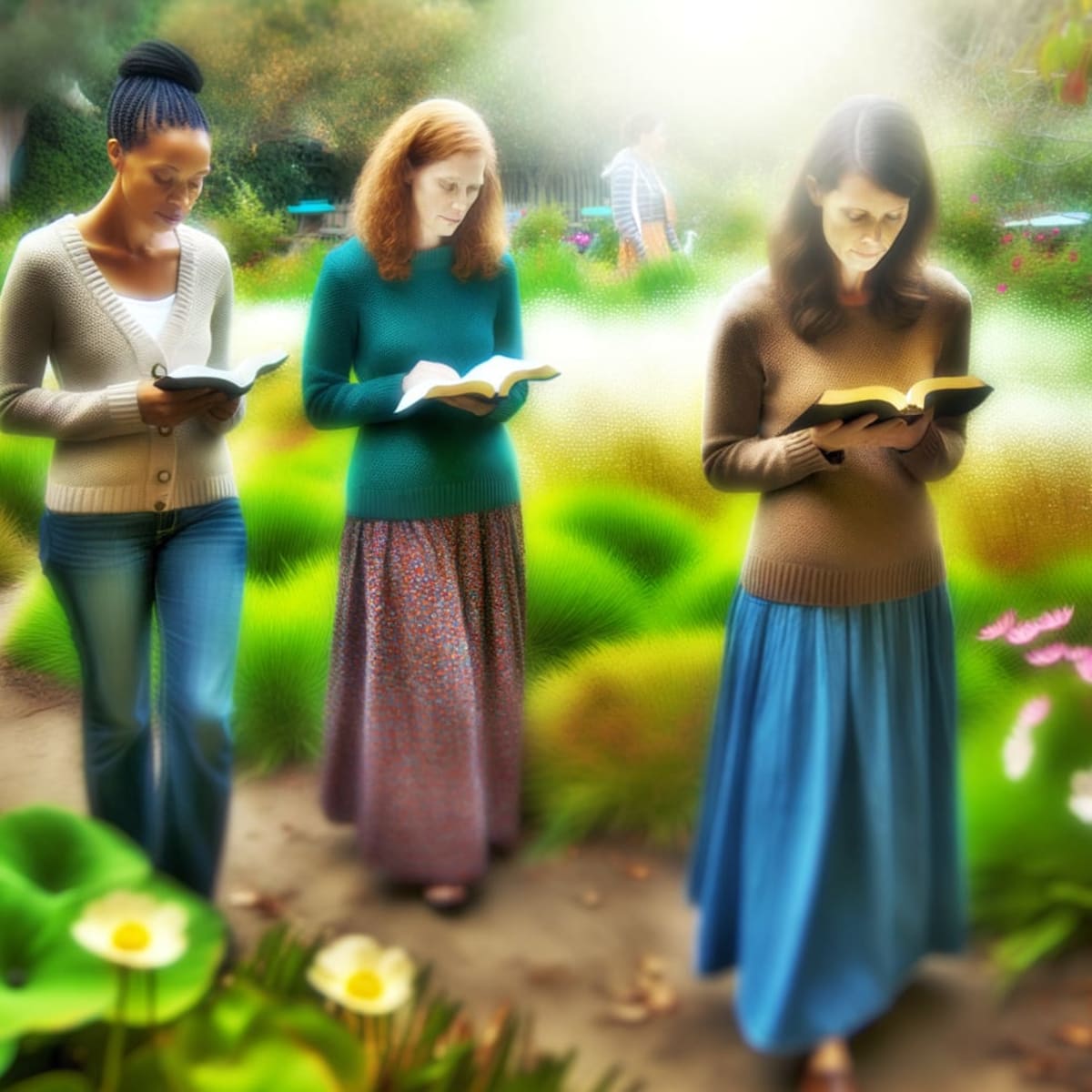
There have been seasons when the page felt like a battlefield. The words wouldn’t come. The heart felt heavy. Yet I kept writing anyway. Not because I was sure of the outcome but because I was sure of the practice. And often, that very practice—showing up, putting pen to paper or fingers to keyboard—reawakened a sense of companionship with God. It created a space for questions and for listening. It invited a kind of humility that says, I don’t have all the answers, but I’m willing to seek, to learn, and to grow in the process.
Biblical grounding: a CSB reminder
Scripture meets us here with a clear invitation. Hebrews 11:1 in CSB puts it plainly: “Now faith is the assurance of what we hope for and the conviction of what we do not see.” When we practice obedience beyond outcomes: trust, we anchor our hope not in what we can measure, but in the faithfulness of God who sees what we cannot. And that, friends, is where joy can take root again. Joy isn’t the absence of hardship; it’s the confident presence of God with us in the middle of it. It’s the quiet, steady knowing that He is good, even when the results aren’t obvious right away.
In Joshua 3–4, I see a timeless pattern: the people wait for direction, the priests stand with the Ark, and only after God’s instruction is given do they move. That pattern mirrors how we grow in obedience beyond outcomes: trust. We move when He says move. We pause when He asks us to pause. And in the waiting, we learn to write not as a performance but as a practice of listening and faithfulness.
Practical steps to live this out
You’ll notice I love simple, practical steps. No heavy formulas, just touchpoints you can apply today. Here are four. And yes, they all center writing as a channel for obedience beyond outcomes: trust.
- Start small with writing: commit to five minutes a day. A few sentences matter more than a thousand words never written.
- Keep a short daily gratitude/requests journal. Note what you’re grateful for and what you’re asking God to do. Revisit it weekly to see how He leads you.
- Pause before the next action. When you feel pressure to perform, ask, What is the last thing God told me to do? Then do that first.
- Invite a trusted friend into your process. Community helps refine discernment and keeps you honest about your motives and hopes.
Habits that fuel obedience beyond outcomes: trust
One habit that changed how I move forward is journaling with intention. It’s not simply about recording; it’s about creating space to hear. When I write, I notice where fear sits and where faith rises. I’ve learned to let the page hold my questions, to bring them to God, and to watch for the small, faithful cues that often arrive as ideas, words from a friend, or a nudge toward a new email to send or a chapter to revise. Writing becomes a conversation with God that keeps me aligned with the next right thing, not the whole project at once.
The role of community in discernment
Discerning God’s direction is rarely a solo sport. My most meaningful insights have come through people who know me, who love me enough to tell the truth, and who can mirror what God is doing in my life. When we pursue obedience beyond outcomes: trust, we need community that helps us see beyond our own bias, who can celebrate the small wins, and who can remind us of God’s faithfulness when the path looks doubtful.
In Joshua 4, the stones memorialize what God did so the next generation could remember. We need those stones too—journal entries, note cards, voice memos, and conversations that anchor us in truth. Community helps us distinguish between our fear-driven impulses and the still, small voice of the Spirit guiding us toward the next faithful step.
Conclusion: return to the last thing God asked you to do
When the weight of outcomes grows heavy, the invitation remains the same: return to the last thing God asked you to do. If obedience beyond outcomes: trust led you to write, then write again. If it led you to reach out to a friend, then reach out again. If it nudged you toward a small act of service, do it with a steady heart. This is how healing, renewal, and transformation take root—one faithful breath at a time.
And as you walk this path, bring your questions, your doubts, and your longing for joy. God meets us there, not with condemnation but with companionship and grace. He loves your honesty and your courage to keep showing up. The page is sacred ground when your heart is willing to listen. Your story matters. Your obedience matters. Your next word may be the bridge to someone else stepping into hope.
If you’re in a season of uncertainty, I invite you to begin again with a tiny step today. Open your journal, write the last thing God said to you, and notice what shifts when you do. You might be surprised by how a single sentence can anchor your day and reframe your entire week. Remember: obedience beyond outcomes: trust is not about the outcomes you see, but about the God you know. And in knowing Him, you discover the joy that writing can bring when it’s offered with a faithful, hopeful heart.
Thank you for sharing this space with me. If today’s reflection encouraged you, consider inviting a friend to read along. And if you’ve got a story where obedience led you to rediscover joy in writing, I’d love to hear it. You can reach me at Perspectives Into Practice. Together, we keep showing up for God and for each other, one page at a time.