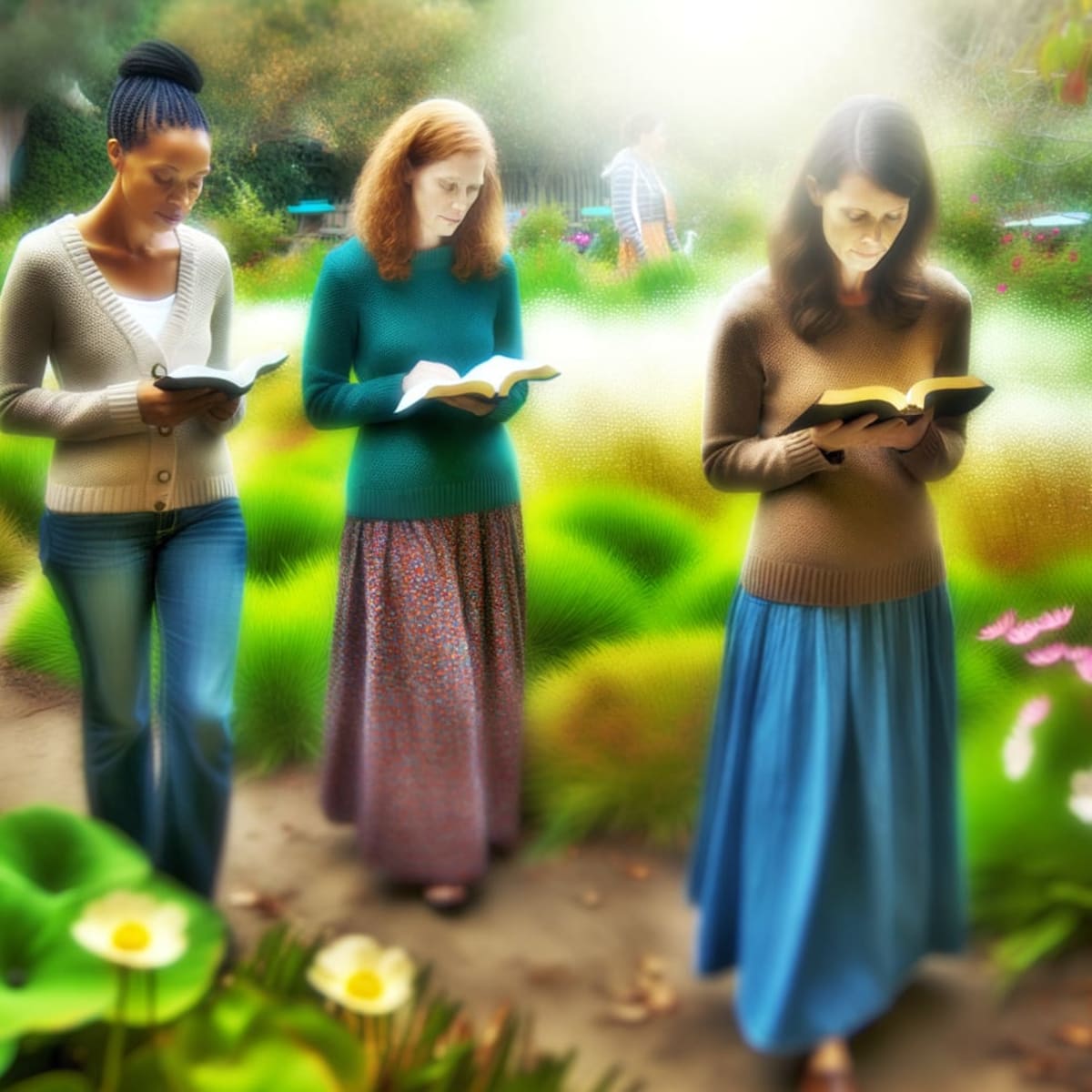

Healing from Church Hurt: Choosing Love for the Church Again
Healing from church hurt is for the woman who still loves Jesus, still wants healthy Christian community, and still feels tender when she thinks about walking back through church doors. In this post, we are talking about how to name the hurt honestly, keep your faith rooted in Christ, set wise boundaries, and begin choosing love for the church again without pretending everything was fine.
Can I tell you something? I know healing from church hurt is not a quick fix. It is not a badge you earn after one tidy conversation, one prayer night, or one polished sermon that suddenly makes all the ache disappear. It is patient work. It is careful work. It is the kind of work Jesus does in us slowly, often in the quiet places no one else sees.
I remember sitting in my car after a hard church moment, hands still on the steering wheel, the smell of coffee lingering on my sweater, wondering why something that was supposed to feel safe felt so complicated. Hand to heart, ladies, I did not have language for all of it yet. I just knew my heart hurt, and I still loved the body of Christ. Both were true.
In our recent conversation on the Perspectives Into Practice podcast, “Healing From Church Hurt: Choosing Love for the Church Again,” we talked about this tender place. How do we love the church again without denying the wound? How do we stay soft toward people when people were part of the pain? How do we rebuild trust without handing our hearts to unsafe patterns?
Table of Contents
- What healing from church hurt looks like in real life
- How to love the church again with wisdom
- What Scripture teaches us about suffering and renewal
- Practical steps you can take this week
- A hope-forward word for your heart
What Healing From Church Hurt Looks Like in Real Life
Healing from church hurt begins with telling the truth. Not dramatizing it. Not minimizing it. Just telling the truth before God and, when the time is right, with one safe person who can hold your story with care.
Here’s the thing. A lot of us were taught that loving the church means never naming what went wrong. But that is not biblical love. Love does not require denial. Love “finds no joy in unrighteousness but rejoices in the truth” (1 Corinthians 13:6, CSB). Truth and love belong together.
Healing from church hurt may look like crying in prayer because you miss worshiping freely. It may look like taking a break from serving so your soul can breathe. It may look like meeting a trusted friend for coffee and finally saying, “This hurt me, and I need help sorting through it.”
My friend, you are not weak because you are affected by spiritual wounds. Church is not just a building to us. It holds memories. Baby dedications. Worship songs. Small group laughter. Prayer requests whispered through tears. So when hurt happens there, it can touch deep places.
But healing from church hurt is possible. I really believe that. Jesus is not intimidated by what happened. He is not asking you to rush past it. He is gentle enough to sit with you in it and faithful enough to lead you through it.
Healing starts when we stop pretending
How many of you have ever said, “I’m fine,” when you absolutely were not fine? I have. Sometimes it felt easier than explaining why a comment, a decision, a leadership failure, or a broken relationship left such a mark.
But pretending keeps pain hidden. Hidden pain has a way of turning into bitterness, fear, or isolation. Healing from church hurt invites us to bring the whole thing into the light with Jesus. Not for gossip. Not for revenge. For restoration.
One simple prayer I have prayed is this: “Lord, show me what is mine to carry, what is mine to release, and what needs to be healed.” That prayer has saved me from picking up weights God never asked me to hold.
How to Love the Church Again With Wisdom
Choosing love for the church again does not mean you run back into the same environment that harmed you. It means you allow God to keep your heart from closing completely. It means you stay open to the beauty of the body of Christ while learning discernment about what healthy community should look like.
Healing from church hurt often includes boundaries. And friends, boundaries are not bitterness. Boundaries are one way we steward the heart God gave us. They help us love without losing ourselves.
If you need more support with the courage to move forward in small, faithful ways, this reflection on practical faith moves for renewal may be a gentle next step. Sometimes healing is not one big decision. Sometimes it is one small obedience after another.
Healthy love keeps truth and grace together
You see, the church is made of people. Redeemed people, yes, but still people. People with stories. People with blind spots. People who can bless us deeply and, sadly, hurt us deeply too.
Healing from church hurt does not mean we excuse sin, spiritual manipulation, gossip, neglect, or abuse. Please hear me clearly. Accountability matters. Safety matters. If harm is ongoing or unsafe, seek wise help from trusted leaders, counselors, or appropriate authorities.
At the same time, we ask God to protect our hearts from letting one painful experience define the entire bride of Christ. There are healthy churches. There are humble leaders. There are believers who will sit with you, pray with you, and not rush your process.
Maybe loving the church again starts with a small group instead of a sanctuary. Maybe it starts with worship at home while you heal. Maybe it starts by visiting a church with a friend and giving yourself permission to leave if your body feels overwhelmed. Healing from church hurt can be gradual, and gradual is still faithful.
Discernment is part of restoration
I want you to ask honest questions as you consider community again:
- Can I be honest here without being shamed?
- Do leaders welcome accountability and questions?
- Is repentance modeled, or only demanded from others?
- Are boundaries respected?
- Do I see evidence of humility, care, and spiritual fruit?
Those questions are not cynical. They are wise. If you are learning how to hear God and process decisions with safe people, you may appreciate this piece on supportive community in discernment. Healing from church hurt is not meant to happen in isolation.
What Scripture Teaches Us About Suffering and Renewal
When I think about healing from church hurt, I often come back to Jesus. He was misunderstood, rejected, betrayed, and falsely accused. He knows what it is to be wounded by people who should have known better.
First Peter 2:23 says, “When he was insulted, he did not insult in return; when he suffered, he did not threaten but entrusted himself to the one who judges justly” (CSB). That verse does not tell us to accept harm quietly or erase accountability. It shows us the posture of Jesus. He told the truth. He trusted the Father. He refused to let pain turn Him into someone He was not.
That matters for us. Healing from church hurt is not mainly about proving our side forever. There may be a season for explaining. There may be a season for confronting. There may be a season for grieving what was lost. But somewhere along the way, Jesus invites us to entrust the wound to the Father who judges justly.
Matthew 11:28 is another anchor for me: “Come to me, all of you who are weary and burdened, and I will give you rest” (CSB). Notice Jesus says, “Come to me.” He does not say, “Come perform.” He does not say, “Come pretend.” He says come weary. Come burdened. Come honest.
Ladies, that is the invitation. Healing from church hurt begins and continues in the presence of Jesus. Before we figure out the next church, the next conversation, the next boundary, we come to Him.
Practical Steps You Can Take This Week
If healing from church hurt feels too big right now, let’s make it small. I love small steps because they remind us we do not have to have the whole road mapped out to obey God today.
Here are a few gentle steps you can try this week:
- Write down what happened in simple words. No editing. No spiritualizing. Just truth.
- Name what you need in this season. Rest, counsel, space, prayer, clarification, safety, or community.
- Choose one trusted person to share with. Someone who listens more than they correct.
- Pray for your heart before you pray about everyone else involved.
- Read one Scripture each morning that reminds you of God’s nearness.
- Consider one low-pressure step toward healthy fellowship, like coffee with a mature believer or visiting a small group.
Healing from church hurt may also reveal where ministry became tangled with identity. If serving was part of the wound, this post on restoring joy in service can help you remember that your value is not measured by how much you do.
Try a simple reflection practice
Take ten minutes today and answer these questions in a journal:
- What do I still love about the church?
- What hurt do I need to stop minimizing?
- What boundary would help me heal?
- What is one sign of healthy community I want to look for?
- Where do I sense Jesus inviting me to trust Him today?
I know journaling can sound too simple, but simple things can become sacred when we bring them to God. If you need help finding language for your season, this guide on journaling and community may encourage you.
A Hope-Forward Word for Your Heart
Friend, healing from church hurt is not about becoming suspicious of every believer or every pastor. It is about becoming whole enough to love with wisdom. Whole enough to worship again. Whole enough to know the difference between a safe place and an unhealthy pattern.
Can I tell you something? The enemy would love for your church hurt to become the reason you walk away from the body forever. But Jesus is gentle. He can heal the wound without hardening your heart. He can restore your faith without rushing your grief. He can help you love the church again with eyes open and peace intact.
Here are the key takeaways I want you to hold close:
- Healing from church hurt begins with honesty before God.
- You can forgive and still have boundaries.
- Loving the church again can be slow, wise, and Spirit-led.
- Healthy community will make room for truth, humility, and care.
- Jesus is still safe, even when people were not.
My friend, you are not behind. You are not too sensitive. You are not faithless because you need time. Healing from church hurt is holy work when it leads you back to Jesus, back to truth, and eventually back to healthy connection with His people.
If this is where you are today, I want you to listen to the full Perspectives Into Practice episode, “Healing From Church Hurt: Choosing Love for the Church Again.” Let it sit with you like a conversation with a friend. Bring your questions, your ache, and your hope. We can walk this out together, one grace-filled step at a time.